Natural Dietary Components

An informational overview of selected natural food ingredients — their nutritional profiles, documented properties, and general role within a balanced dietary context. This catalog does not constitute dietary advice or recommendations.

Informational Overview

Documented Natural Food Ingredients

The following entries describe selected natural food ingredients, their documented nutritional composition, and their general role within nutritional science literature. All descriptions are educational in nature. No products are sold through this site.

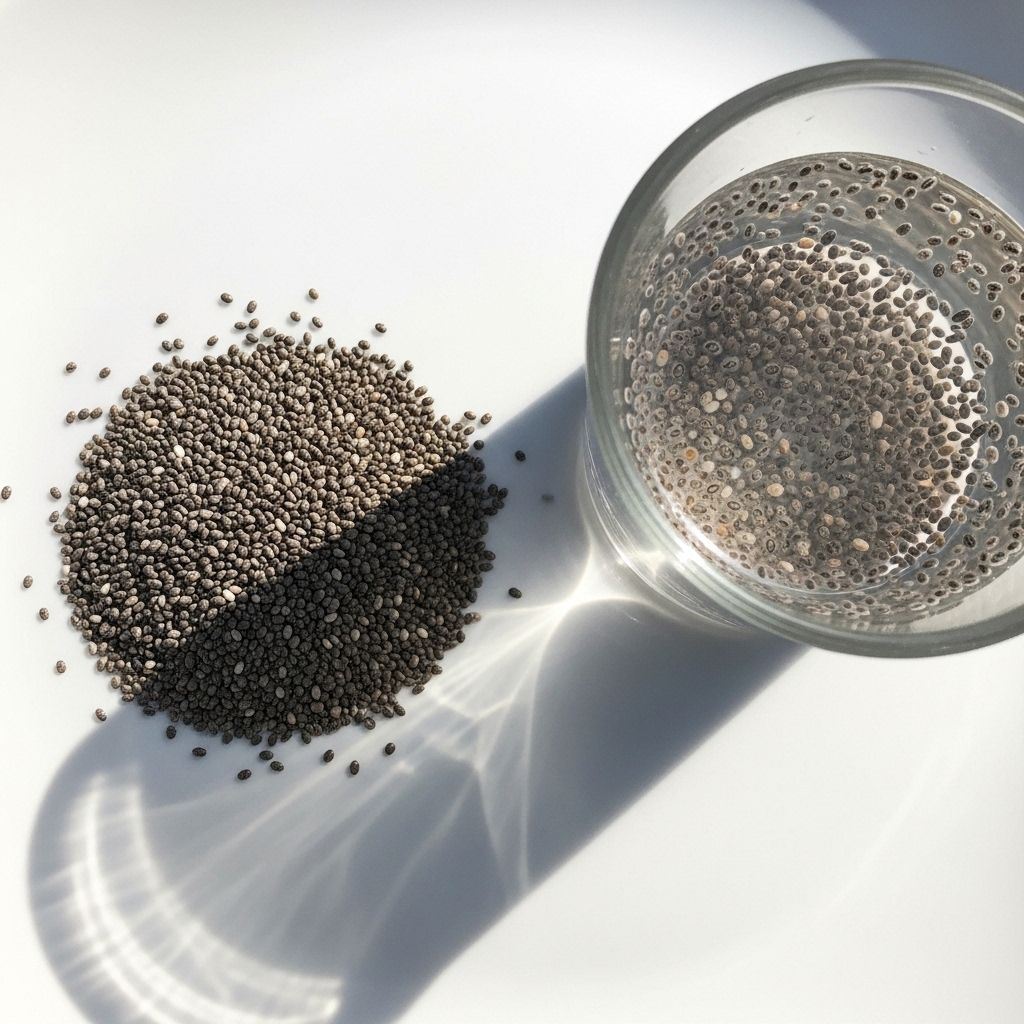
Overhead view of raw chia seeds spread on a clean white ceramic plate, with a small glass of water showing chia gel formation beside it, minimal background
Seed · Omega-3 Source

Chia Seeds

Chia seeds (Salvia hispanica L.) are small seeds native to Central America, documented in nutritional literature as a concentrated source of alpha-linolenic acid, soluble dietary fibre, calcium, phosphorus, and manganese. Their capacity to absorb up to ten times their weight in water makes them a subject of interest in satiety and digestive function research.

  • Rich in plant-based omega-3 fatty acids (ALA), contributing to the body's essential fatty acid pool
  • Contains both soluble and insoluble dietary fibre, supporting digestive regularity
  • Provides calcium and phosphorus, minerals associated with bone structural maintenance
Inquire About Content
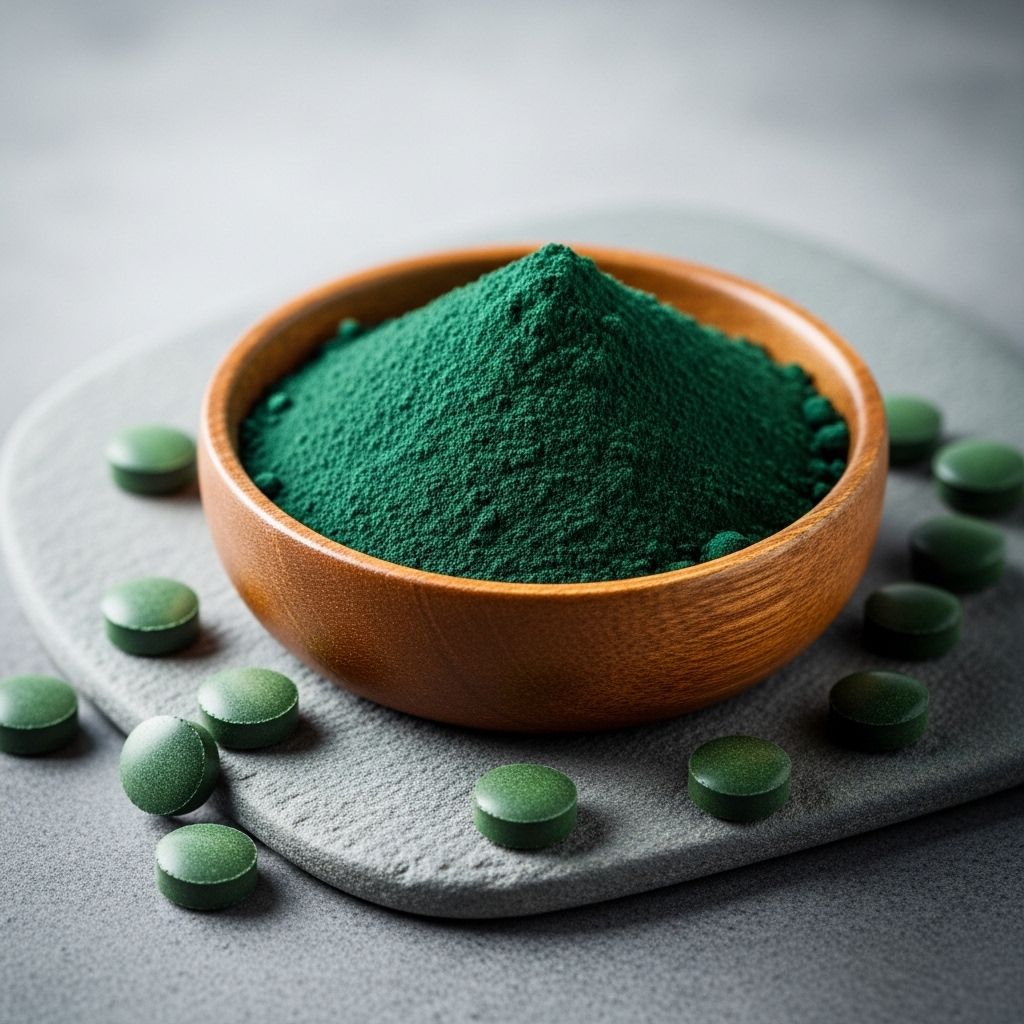
Vibrant teal-green spirulina powder in a round wooden bowl surrounded by dried spirulina tablets, placed on a grey stone surface with natural side lighting
Microalgae · Protein Source

Spirulina

Spirulina is a cyanobacterium (blue-green microalgae) cultivated as a dietary food ingredient. Its nutritional profile has been analysed extensively in food science literature. It contains a notable proportion of complete protein by dry weight, B vitamins, iron, copper, and phycocyanin — a blue-green pigment with antioxidant properties studied in laboratory research contexts.

  • High protein content relative to dry mass, providing all essential amino acids
  • Source of B vitamins including B1 (thiamine), B2 (riboflavin), and B3 (niacin)
  • Contains iron and copper, trace minerals involved in oxygen transport and enzyme function
Inquire About Content
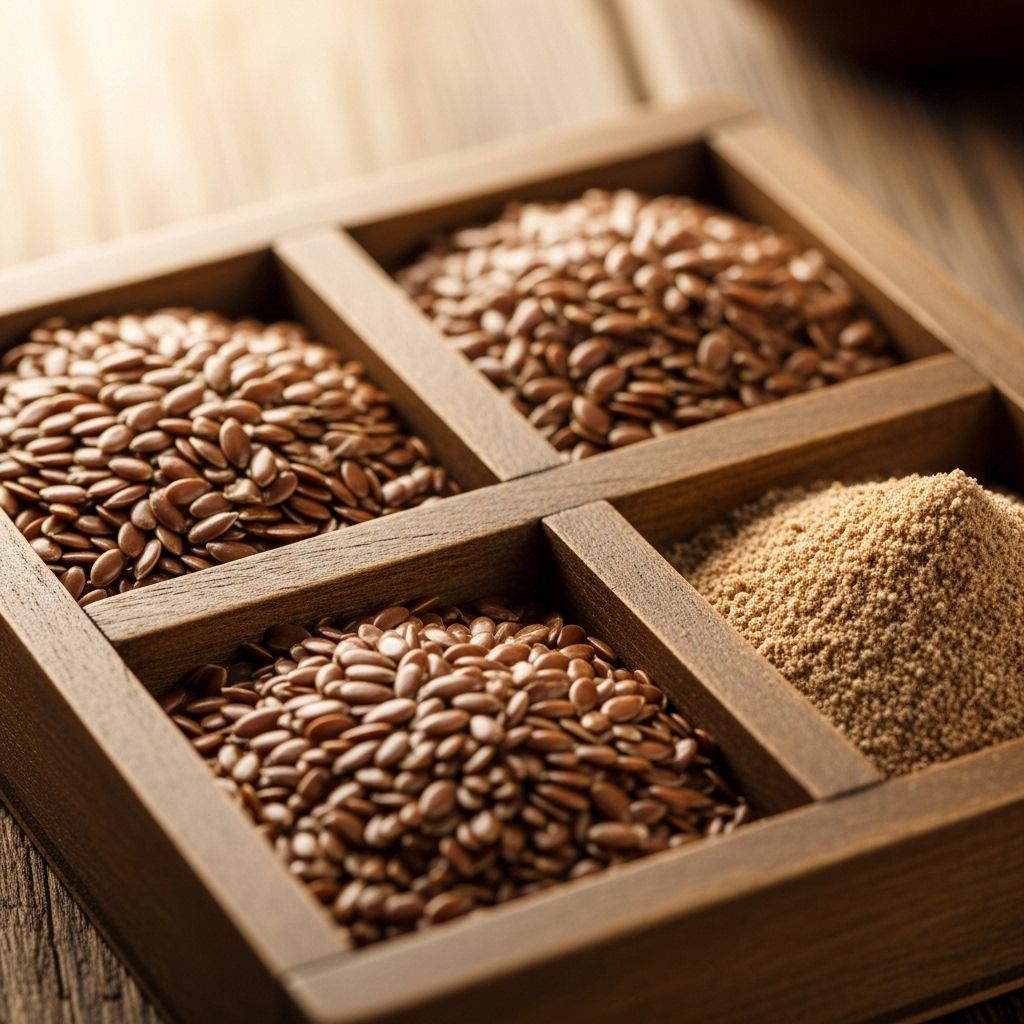
Close-up of whole and ground flaxseeds arranged in separate sections of a wooden compartment tray, warm natural light, rustic background
Seed · Fibre & ALA

Flaxseed

Flaxseed (Linum usitatissimum) is an oilseed crop used in human nutrition for centuries. It is documented in nutritional literature as one of the richest plant sources of alpha-linolenic acid, dietary lignans (a type of polyphenol), and both soluble and insoluble fibre. Ground flaxseed is generally noted to have higher nutrient bioavailability than whole seeds due to the intact seed coat.

  • Among the highest plant-based sources of lignans — polyphenolic compounds studied in nutritional research
  • Significant source of ALA (alpha-linolenic acid), an essential omega-3 fatty acid
  • Contains both soluble (mucilage) and insoluble fibre, supporting varied aspects of digestive function
Inquire About Content
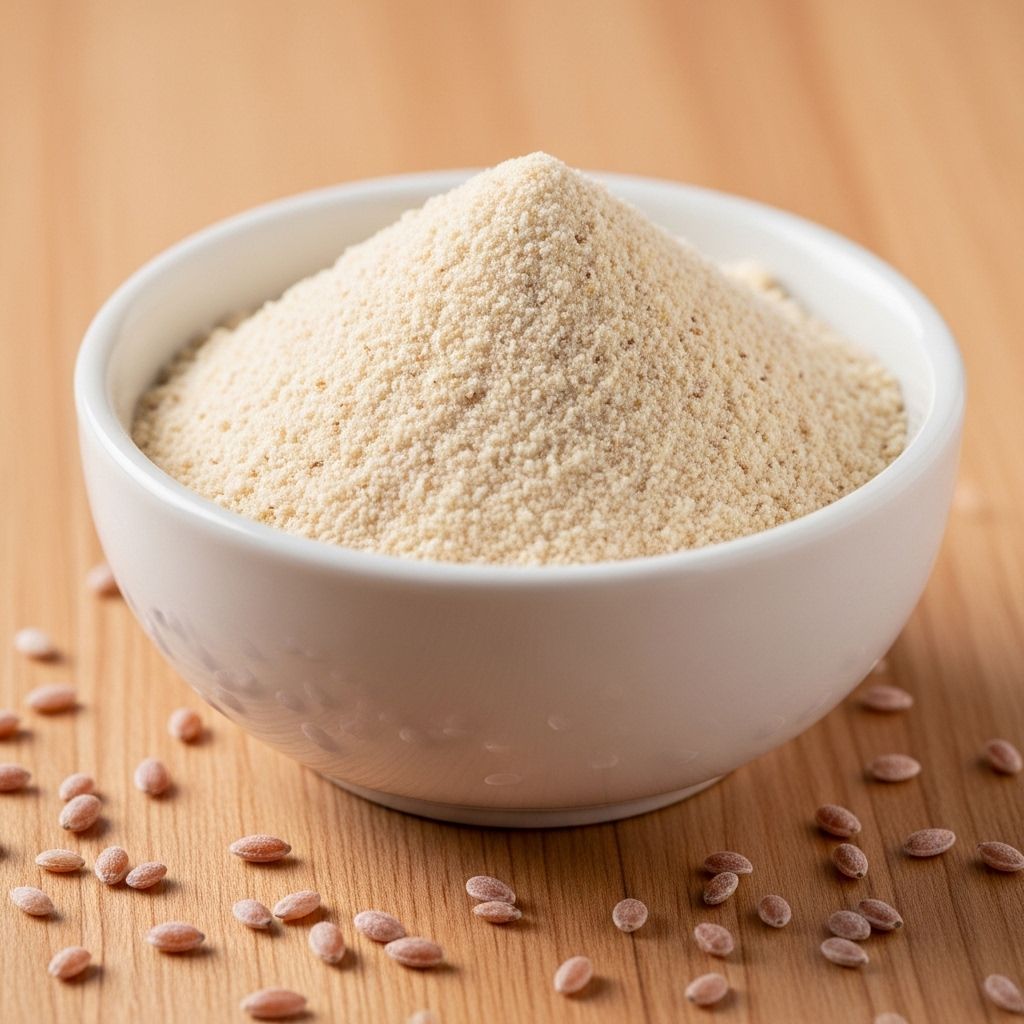
Small white bowl filled with pale cream-coloured psyllium husk powder on a light wooden surface with a few whole psyllium seeds scattered around it
Fibre Supplement · Digestive Support

Psyllium Husk

Psyllium husk is derived from the outer coating of the seeds of Plantago ovata, a plant native to India. It is classified as a dietary fibre supplement and is notable for its exceptionally high content of soluble mucilaginous fibre. In nutritional literature, psyllium is among the most studied soluble fibres in relation to its interaction with the digestive tract.

  • Very high soluble fibre content, forming a viscous gel when combined with water
  • Widely referenced in nutritional literature for its role in supporting digestive transit regularity
  • Used as a bulking agent in both food preparation and dietary supplement contexts
Inquire About Content
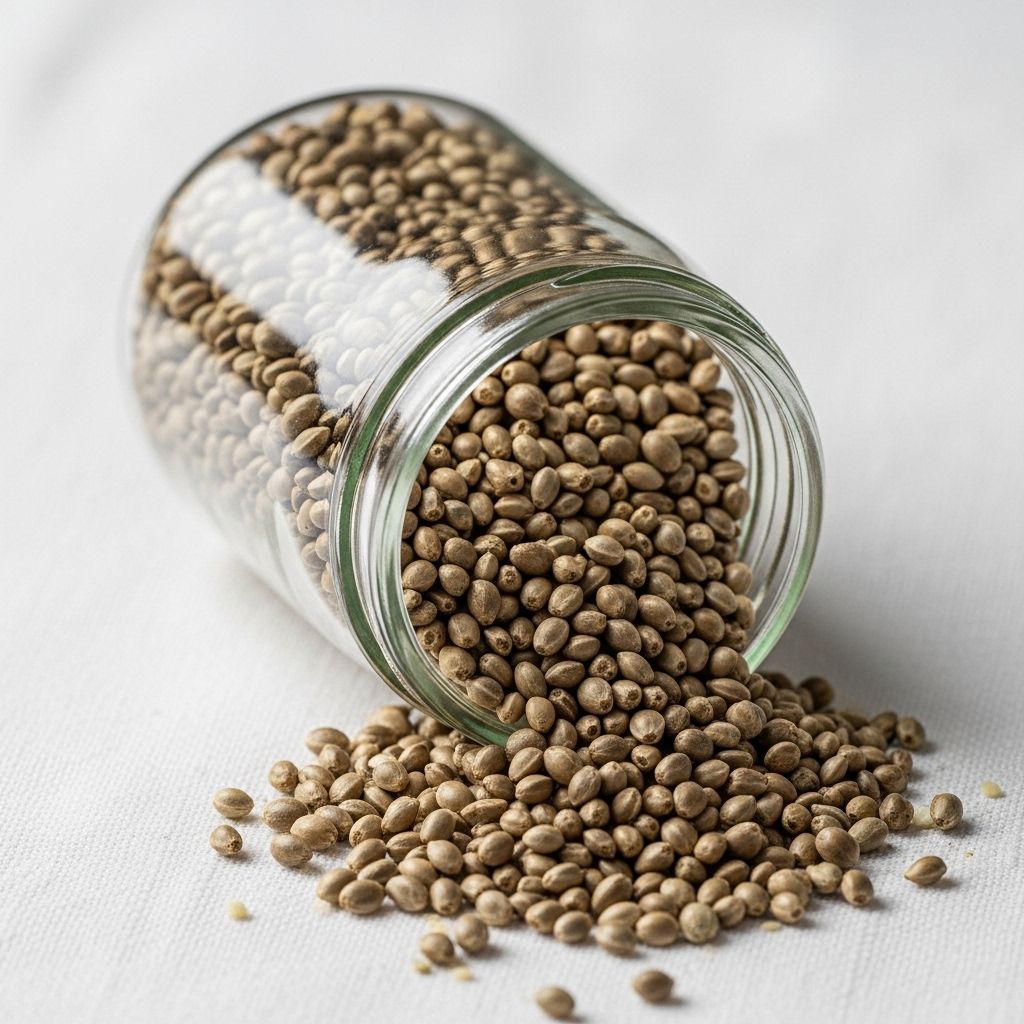
Shelled hemp seeds in a small glass jar tipped sideways on a white linen cloth, with a scattering of seeds visible nearby, bright clean photography
Seed · Complete Protein

Hemp Seeds

Hemp seeds (Cannabis sativa L.) are the edible seeds of the hemp plant, containing no significant psychoactive compounds. Their nutritional profile, documented in food science literature, includes a complete protein profile — providing all essential amino acids — along with a favourable omega-6 to omega-3 fatty acid ratio, magnesium, and phosphorus.

  • Complete protein source — contains all nine essential amino acids in notable proportions
  • Favourable polyunsaturated fatty acid profile with documented omega-3 and omega-6 content
  • Rich in magnesium, phosphorus, and vitamin E, contributing to overall micronutrient intake
Inquire About Content
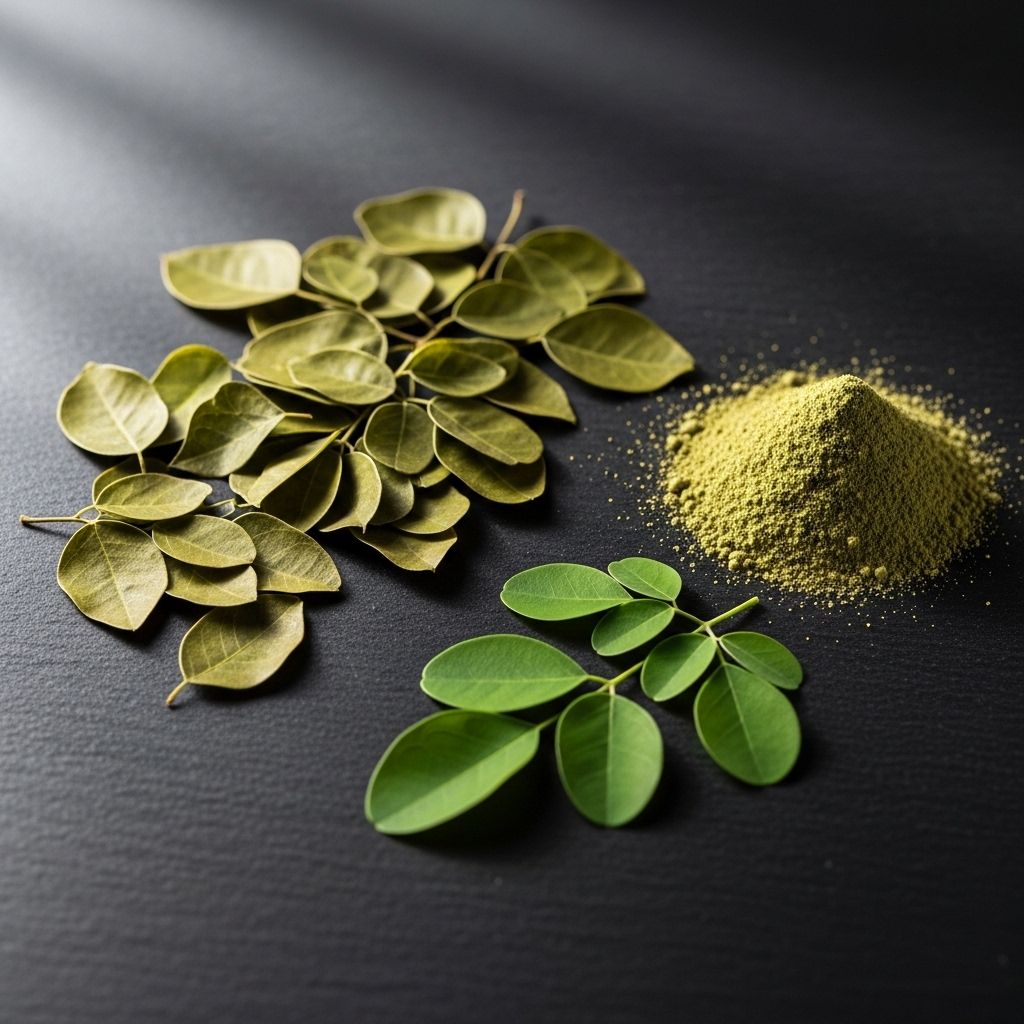
Dried moringa leaves and moringa powder displayed on a dark slate surface, a few fresh green moringa leaves placed beside the powder for context, natural light
Leaf Powder · Micronutrient Dense

Moringa

Moringa oleifera is a plant widely cultivated in tropical and subtropical regions, and its leaves — dried and powdered — are used as a food ingredient. Nutritional analyses document moringa leaf powder as containing vitamins A, C, and E, calcium, iron, and potassium, alongside various polyphenols. It is described in food science literature as a micronutrient-dense plant food.

  • Documented source of vitamins A, C, and E — fat and water-soluble antioxidant vitamins
  • Contains calcium, iron, and potassium, contributing to mineral intake when used as a food ingredient
  • Subject of nutritional analysis research regarding its polyphenol content and antioxidant capacity
Inquire About Content

About This Catalog

All entries in this catalog are presented for informational and educational purposes only. Descriptions are based on published nutritional analyses and food science literature. No products are sold through Olaxis. The documented properties listed do not constitute health claims, endorsements, or individual recommendations. Readers with specific health or dietary questions are encouraged to consult a qualified healthcare or nutrition professional. No individual consultations are provided.